New budget supports textile growth through tax cuts and energy incentives
Share This
- The proposed national budget for FY2026-27 brings several measures that could support Bangladesh's textile and apparel industry during a challenging economic period.
- One of the key announcements is the reduction of Advance Tax (AT) on industrial raw material imports from 5% to 4%.
- To encourage diversification, the government has withdrawn the 10% supplementary duty on imports of synthetic woven fabric.
- A major incentive for green manufacturing comes through the removal of import duty, regulatory duty, supplementary duty, and advance tax on solar power equipment.
- One of the most significant announcements for the apparel sector is the exemption of annual bond audits for 100% export-oriented ready-made garment factories.

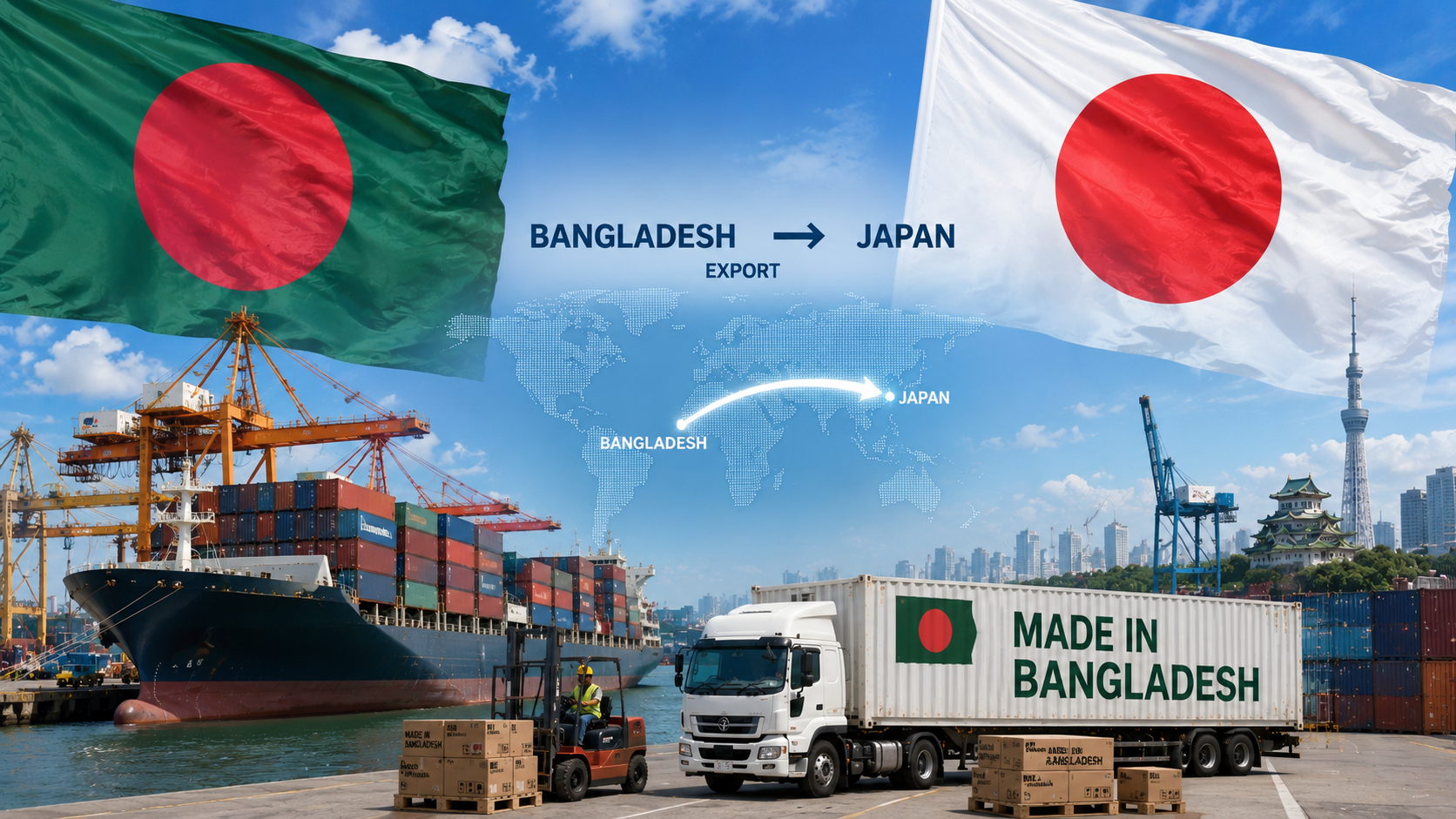
The proposed national budget for FY2026-27 brings several measures that could support Bangladesh's textile and apparel industry during a challenging economic period. Presented in the National Parliament on June 11 by Finance Minister Amir Khosru Mahmud Chowdhury, the Tk9.38 lakh crore budget focuses on easing business costs, improving energy security, promoting man-made fiber (MMF) products, and reducing administrative barriers.
Industry stakeholders have long sought measures to improve liquidity, simplify compliance, and strengthen competitiveness in global markets. The proposed budget addresses several of these concerns through tax reforms, duty reductions, and investment incentives.
Tax reforms expected to improve cash flow
One of the key announcements is the reduction of Advance Tax (AT) on industrial raw material imports from 5% to 4%. The measure is expected to improve working capital management for textile mills that regularly import cotton, chemicals, dyes, and other production inputs.
The budget also proposes reducing the Advance Income Tax (AIT) or withholding tax on export cash incentives from 10% to 5%. This move is expected to increase the net benefit of export incentives and improve liquidity for exporters.
In addition, the government has lowered the deposit requirements for tax-related appeals. The deposit requirement for income tax disputes has been reduced from 10% to 5% of the disputed amount, while VAT and customs-related disputes will require only a 2% deposit. According to the Ministry of Finance budget proposal, these changes are intended to make dispute resolution easier and reduce financial pressure on businesses.
Budget supports transition toward MMF products
To encourage diversification, the government has withdrawn the 10% supplementary duty on synthetic woven fabric imports. Industry observers believe this will reduce sourcing costs for manufacturers producing sportswear, outerwear, technical apparel, and other synthetic-based products.
The measure is expected to improve Bangladesh's ability to capture higher-value orders in the growing global MMF market and support the industry's long-term diversification strategy.
Energy measures encourage sustainability investments
The government has proposed an allocation of Tk17,345 crore for the power and energy sector in FY2026-27. The budget combines lower power subsidies with increased support for the gas sector.
For textile and apparel manufacturers that rely on captive power generation, stronger gas sector investments could help improve supply reliability and operational efficiency.
A major incentive for green manufacturing comes through the removal of import duty, regulatory duty, supplementary duty, and advance tax on solar power equipment. The measure is expected to encourage factories to expand rooftop solar installations and reduce dependence on conventional energy sources.
The budget also extends duty benefits on coal imports for industrial and power generation purposes until June 2030.
Compliance and trade facilitation receive attention
One of the most significant announcements for the apparel sector in section 298 of the official budget speech is the exemption of annual bond audits for 100% export-oriented ready-made garment factories.
The decision is expected to reduce administrative complexity and compliance costs for exporters.
The budget also supports greater digitalization of tax services. Corporate taxpayers will be able to file returns online, while reforms have been proposed to limit discretionary actions by tax officials.
Another important trade facilitation measure allows the use of private laboratories alongside government facilities for product testing. Industry leaders expect this to reduce delays and improve customs clearance efficiency.
However, the proposed FY2026-27 budget delivers several long-awaited reforms for Bangladesh's textile and apparel sector. Lower advance taxes, reduced duties on synthetic fabrics, solar energy incentives, and the removal of annual bond audits directly address key industry concerns.
The budget also sends a strong signal about the future direction of the sector. Manufacturers seeking long-term growth may find new opportunities in MMF-based products, renewable energy investments, and higher-value export segments.
The ultimate impact, however, will depend on effective implementation and the industry's ability to navigate inflationary pressures, financing constraints, and growing global competition.